Diving in Hurghada: The Complete 2026 Guide |
Hurghada is one of Egypt’s most practical gateways to Red Sea diving. Its day-boat network reaches coral gardens, pinnacles, walls and wrecks, while sheltered sites give new divers room to learn. Certified divers can choose relaxed reef dives, deeper profiles and special wreck excursions. Add warm hospitality, year-round operations and easy access from the city’s hotels, and it is clear why diving in Hurghada attracts beginners, returning divers and experienced travellers.
This guide explains what the destination offers, when to visit, what a normal dive day looks like and how to plan safely. Conditions and site access change with wind, experience level and operator schedules, so treat any itinerary as flexible rather than guaranteed.
Why Choose Hurghada for a Diving Holiday?
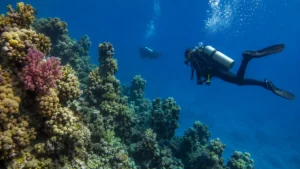
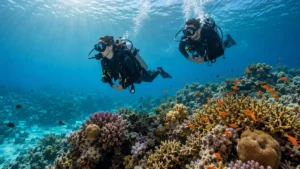
The main advantage is variety. A visitor can begin with a supervised introductory experience, complete a full certification, join daily recreational dives or arrange advanced excursions. Popular local areas include the Giftun Islands, Abu Ramada, Fanadir, Carless Reef and Umm Gammar. Wreck-focused divers may also find trips to El Mina or, when logistics and conditions allow, the Abu Nuhas wrecks and SS Thistlegorm.
- A wide selection of shallow reefs and sandy training areas for beginners.
- Coral gardens, drop-offs, pinnacles and drift-diving possibilities for certified divers.
- Daily-boat culture with space to rest between dives and enjoy lunch on board.
- Training options from first experiences to continuing education and specialties.
- The possibility of instruction and guiding in French as well as English, depending on the team available.
When Is the Best Time to Dive in Hurghada?
Diving is available throughout the year, but the experience changes by season. Spring and autumn often balance comfortable air temperatures with enjoyable water conditions. Summer offers warm water and long, bright days, although the heat on deck can be intense. Winter can bring cooler water and stronger wind, so a warmer exposure suit and a windproof layer are useful.
Visibility is frequently good, but it is never a fixed promise. Wind, plankton, current and local conditions affect each site. Ask the dive center what exposure protection is appropriate for your dates and whether a hood or extra layer is recommended.
What Happens on a Typical Hurghada Dive Day?
Most day-boat programs begin with hotel pickup or a meeting at the marina. After check-in, equipment setup and a safety briefing, the boat travels to the first site. The guide explains the entry, route, depth, current, marine-life highlights and exit plan. Certified divers normally complete a buddy check before entering the water.
After the first dive, divers record their details, hydrate and rest during the surface interval. Lunch is commonly served on board, followed by a second briefing and dive at another site. The actual schedule, number of dives and included services depend on the operator and should be confirmed before booking.
Options for Beginners and Certified Divers
First time divers
A supervised introductory program allows a complete beginner to experience breathing underwater without immediately committing to a full course. It is not the same as certification. The participant receives essential instruction and remains under close professional supervision. [Internal link: Discover Scuba Diving service page]
Open Water students
The Open Water Diver course combines knowledge development, confined-water skills and open-water training dives. Successful students earn an entry-level certification accepted according to the issuing agency’s standards. [Internal link: Open Water Diver course page]
Certified divers
Daily diving suits travellers who already hold a recognized certification. The team should check the certification level, recent experience, number of logged dives and any relevant medical or equipment needs before assigning a group and choosing a site. [Internal link: Daily diving trips page]
Marine Life You May Encounter
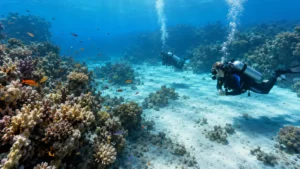
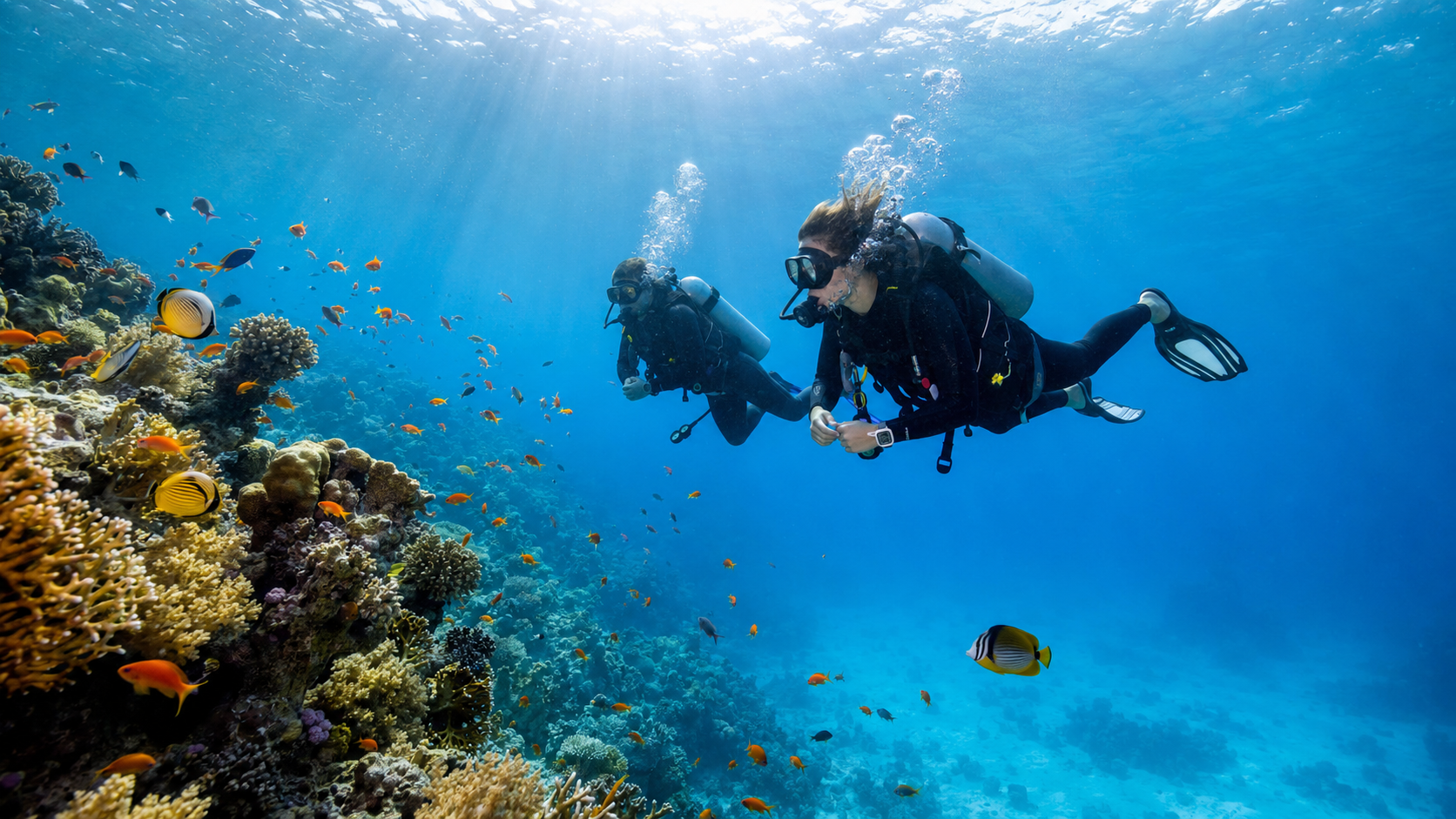
Hurghada’s reefs support butterflyfish, angelfish, parrotfish, surgeonfish, wrasse, anemonefish, moray eels, lionfish and blue-spotted stingrays. Turtles, octopuses, barracuda and large schools of fish are possible. Dolphins may be encountered in some areas, but wildlife sightings can never be guaranteed. Sharks are part of the wider Red Sea ecosystem, although encounters on ordinary Hurghada reef dives are not an everyday expectation.
How Much Does Diving in Hurghada Cost?
Prices vary according to the number of days, certification level, boat and marine fees, equipment rental, transfers, training materials and whether the trip requires special logistics. Compare the total package, not only the headline price. Ask whether the quote includes cylinders, weights, lunch, drinks, hotel transfer, equipment, certification fees and any environmental or national-park charges.
What to Bring
Certification card and logbook, digital or physical.
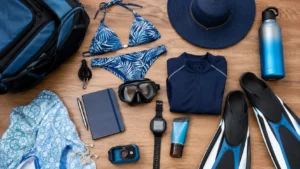
Swimwear, towel, reusable water bottle and reef-safe sun protection.
A warm layer or windbreaker for the boat, especially in cooler months.
Personal mask, dive computer and exposure suit if you prefer familiar equipment.
Any required medical clearance and details of suitable diving insurance.
Responsible Diving in the Red Sea
Good buoyancy protects both the diver and the reef. Never stand on coral, chase wildlife, feed fish or collect shells. Secure gauges and alternate air sources so they do not drag across the seabed. Use mooring systems responsibly and follow the guide’s route. Photography should never come before control, awareness or respect for the animal.
Plan Your Hurghada Diving Experience
The best program depends on your certification, experience, language, available days and preferred style of diving. French-speaking dive professionals can help you compare beginner programs, courses and guided dives, then build a realistic plan around local conditions.