15 Best Dive Sites in Hurghada: Reefs and Wrecks
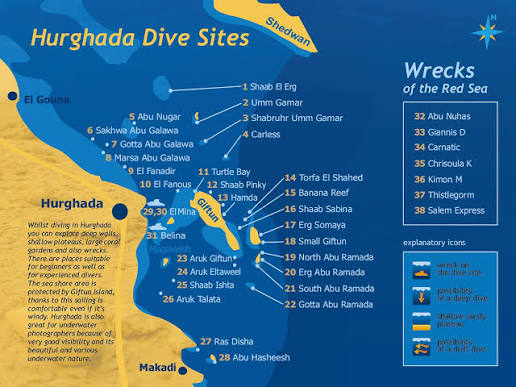
Hurghada’s diving area is not one single reef. Day boats travel among islands, sheltered bays, pinnacles, plateaus and wrecks, giving dive professionals options for different weather and experience levels. The best site on any day is the one that fits the sea conditions, the group’s certification and the boat’s authorized plan.
The following list combines popular local reefs with special wreck excursions commonly associated with Hurghada-based diving. Names and transliterations sometimes vary between operators. Access, currents, depth and marine life also change, so every dive requires a current local briefing.
1. Small Giftun
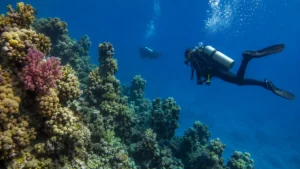
A celebrated island area with coral-covered slopes, walls and clear-water scenery. Depending on the exact route, current can make the dive more dynamic, so the guide selects an entry and profile suited to the group.
2. Big Giftun
The larger Giftun area offers several possible dives rather than one fixed route. Expect reef formations, sandy sections and a broad range of Red Sea fish. It can work for mixed-experience groups when conditions are appropriate.
3. Erg Somaya
Known for dramatic coral formations and deeper water close to the reef. Its topography and possible current make good buoyancy and attentive guiding important.
4. Abu Ramada Aquarium
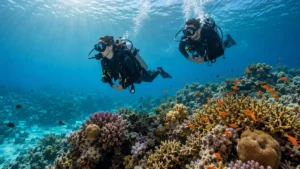
A popular choice for colourful reef fish and coral blocks. Its generally approachable character often makes it attractive to newer divers, subject to the day’s conditions.
5. South Abu Ramada
Terraces, coral blocks, an eel garden and a small shallow wreck create a varied profile. The shallow wreck can provide an interesting finish when the planned route and gas supply allow.
6. Fanadir North
Part of one of Hurghada’s long reef systems, with a reef edge, sandy bottom and coral heads that shelter small marine life. It is especially rewarding for divers who slow down and look closely.
7. Fanadir South
Another flexible section of the Fanadir reef, offering coral scenery and opportunities to see rays, moray eels, lionfish and schooling fish. Exact routes depend on wind and mooring.
8. Carless Reef
An offshore reef associated with prominent pinnacles and blue-water views. Exposure and current can make it more suitable for confident divers on some days.
9. Umm Gammar
A narrow island reef with steep sections, coral formations and deeper surroundings. It can deliver beautiful scenery, but the profile must match certification and experience.
10. Shaab El Erg
Often called Dolphin House, this broad reef system includes sheltered sandy areas and coral sections. Dolphins may pass through, but they are wild animals and sightings are never guaranteed.
11. El Fanus
A shallow reef and lagoon area that can suit relaxed diving and snorkelling. Look for coral fish, rays and other reef residents while maintaining respectful distance from wildlife.
12. Turtle Bay
A scenic combination of coral gardens and sandy patches. Turtles are possible, but the site should be enjoyed for its full ecosystem rather than approached as a guaranteed wildlife encounter.
13. El Mina Wreck
A wreck near Hurghada with historical interest and a different atmosphere from reef diving. Wreck hazards, depth, visibility and local rules require appropriate training, control and a careful briefing.
14. Abu Nuhas Wrecks
This offshore reef is famous for multiple shipwrecks, including Giannis D and Carnatic. Trips involve additional travel and logistics and are normally planned for suitably certified, experienced divers.
15. SS Thistlegorm
One of the Red Sea’s best-known wrecks, reached through a special long-range excursion or safari rather than a normal local day. Depth, current, penetration risks and long travel make honest experience screening essential.
Which Sites Are Best for Beginners?
Sheltered sections of Abu Ramada, Fanadir, El Fanus and similar sandy-bottom reefs may suit beginners when local conditions are calm. A site name alone does not make a dive easy: wind, current, visibility, boat traffic and the chosen route can change the level of difficulty.
Which Sites Suit Experienced Divers?
Confident divers may enjoy offshore reefs, deeper walls, drift profiles and wreck excursions. However, certification cards do not replace recent experience. Operators should consider logged dives, comfort in current, gas management, buoyancy, wreck training and time since the last dive.
How Dive Sites Are Selected
- Wind, waves, current and visibility.
- Certification level, recent experience and maximum planned depth.
- The needs of students, photographers and mixed-experience groups.
- Boat route, mooring availability, permits and marine regulations.
- Emergency planning and safe return times.
Book the Right Dive, Not Just a Famous Name
Tell Rentola what you have already dived, what you want to improve and whether you prefer reefs, wrecks, photography or relaxed profiles. The French-speaking dive team can recommend realistic options while keeping the final plan flexible for the conditions. [Internal link: Daily diving and special trips]
Frequently Asked Questions
Can beginners dive at Giftun Island?
Some Giftun routes may suit beginners, while others involve walls or current. The center must choose the specific site and profile for the diver and conditions.
Can I dive the Thistlegorm from Hurghada?
Special long-range trips may be arranged, but they are not equivalent to a normal local day and depend on logistics, conditions and diver suitability.
Are dolphin or turtle sightings guaranteed?
No. These are wild animals. Ethical operators never promise a sighting or chase wildlife.